Skip to content
True Tree Service badge logoTrue Tree
Service
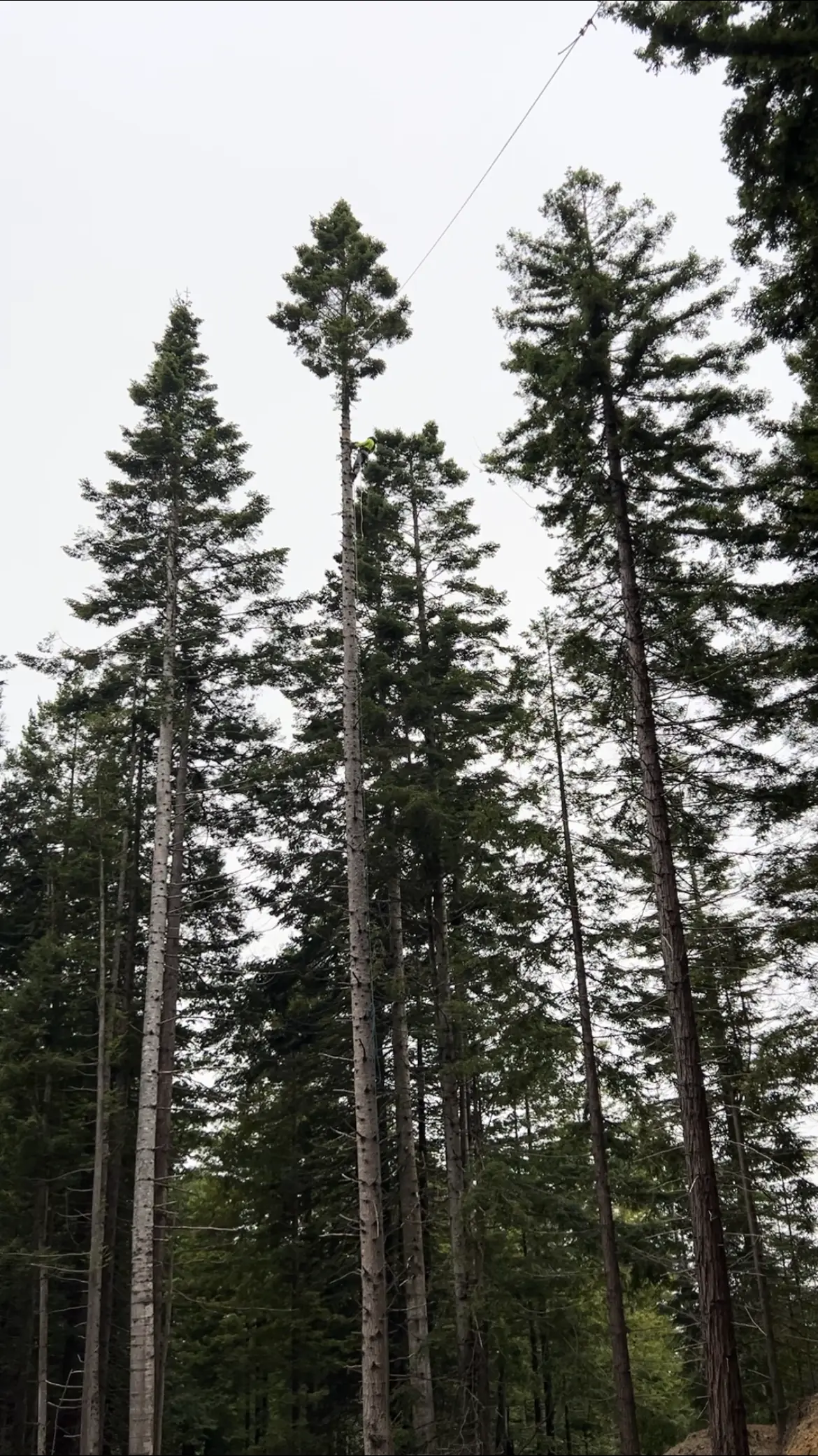
True Tree Service climber working high in a conifer canopy

Fruit trees, ornamentals, and hedges

Plant & Ornamental Pruning in Humboldt & Del Norte County

Pruning is a science first and an art second. We practice both.

★★★★★5 stars on Google · 100+ reviews · Licensed CSLB #1132934

What is plant & ornamental pruning?

Plant pruning is the selective cutting of ornamental trees, shrubs, hedges, and fruit trees to direct their growth, health, and shape, with technique and timing matched to each species. True Tree Service prunes gardens across Humboldt and Del Norte counties, from backyard orchards to overgrown hedges brought back in stages.

The garden-scale side of tree care

Not every job is a hundred-foot conifer. The plants that actually make a garden, the Japanese maples, camellias, rhododendrons, fruit trees, and privacy hedges, need the same skilled cuts on a smaller scale, and they are less forgiving of bad ones. A botched cut on a big fir disappears into the canopy; a botched cut on a six-foot maple is the first thing you see from the kitchen window for years.

Our climate grows ornamentals with the same enthusiasm it grows redwoods. The fog belt keeps things growing most of the year, which means the difference between a garden and a thicket is a pruning schedule.

Fruit trees

Apples, pears, plums, and figs produce on wood that pruning creates and sunlight ripens. We do dormant-season structural pruning for form and strength, and summer thinning for fruit quality and picking height. A neglected backyard apple can usually be brought back into real production over two or three seasons.

Ornamental trees and shrubs

Japanese maples, dogwoods, magnolias, camellias, and rhododendrons each want different cuts at different times. We prune to the species: deadwood out, crossing branches corrected, natural form kept, and flower buds respected so next spring still happens.

Hedges and screens

Laurel, privet, escallonia, and cypress hedging hold their job, privacy, only if held to their size. We shape hedges cleanly, manage height honestly, and renovate overgrown rows in stages the plants can survive.

Restoration pruning for overgrown plants

Overgrown does not mean ruined. Most neglected plants can be brought back, but not in one brutal haircut. Hard renovation all at once shocks many species, invites disease through a hundred simultaneous wounds, and produces panic regrowth worse than the original problem.

The right way is staged: the worst deadwood and structural problems first, then measured reduction over one to three seasons, working with each species' tolerance. We will tell you honestly which plants can be saved, which should be replaced, and what the realistic timeline looks like, before you spend a dollar.

Timing matters more at this scale

Timing is where garden pruning is won or lost. Prune a spring-flowering shrub in winter and you cut off the flowers; prune stone fruits in the wet season and you invite disease into the wounds; shear a hedge hard going into a heat wave and it burns.

The general North Coast calendar: dormant winter pruning for structure on most deciduous trees and fruit trees, post-bloom pruning for spring flowerers, summer work for stone fruits and for thinning, and hazard cuts whenever they are needed. We keep the calendar so you do not have to.

Fruit trees on the North Coast

Humboldt and Del Norte grow beautiful apples, pears, and plums, and fog-belt fruit trees have their own rules. Winter dormant pruning sets structure and fruit spurs. A light summer touch keeps size in check without waking up a forest of watersprouts. And in our wet climate, thinning the canopy for airflow is not cosmetic: it is how you keep scab, mildew, and brown rot from taking the crop.

We prune for the tree you actually want: picking height you can reach, strong scaffolds that carry a heavy year without splitting, and fruit that ripens instead of molding.

Hedges, screens, and the plants you live with

A privacy hedge is a living fence, and it only stays private if it stays healthy. We trim hedges to hold their line with faces that still carry green growth, because a hedge sheared past its green zone goes bare and stays bare. Overgrown laurel, escallonia, and photinia can usually be brought back down over a season or two of staged cuts rather than one brutal one.

Ornamentals get the same species-first care: Japanese maples thinned so the structure shows, camellias and rhododendrons shaped after bloom so you do not lose a year of flowers, and native plantings edited with a light hand.

What's included with every job

  • Species-appropriate timing and technique
  • Fruit tree pruning for health and harvest
  • Hedge shaping and honest size management
  • Staged restoration pruning for overgrown plants
  • Beds raked and trimmings chipped or hauled
Plant & Ornamental Pruning across the North Coast

We provide plant & ornamental pruning throughout Humboldt and Del Norte counties from crew bases in McKinleyville and Crescent City:

Need something that isn't plant & ornamental pruning? Browse every service we offer, look through recent jobs in the gallery, ormeet the crew who will show up.

Our process

Simple, and only a few steps

Our process is simple and only contains a few simple steps. From the first call to the final rake, here is how it goes.

  1. 1

    Call or send the form

    Tell us what the tree is doing. Photos help. We usually respond the same business day.

  2. 2

    Free on-site quote

    We walk the job with you, explain your options honestly, and give you a firm number. No pressure.

  3. 3

    We do the work

    A licensed, insured crew shows up on time and works safely: careful rigging, quiet electric saws where we can.

  4. 4

    Clean site, done deal

    Brush chipped, wood handled your way, site raked. The job is done when it looks the way we promised.

Google Reviews

What your neighbors say

★★★★★5 stars on Google · 100+ reviews

★★★★★
“Jacob was thorough and effective, listening to my choices about what to do (and what not to do) on our property.Frank was amazing to watch in the trees, so safe, so sure, and careful. I thoroughly appreciated all of their good work.”
Roberta RussellGoogle review
★★★★★
“Jacob, Andrew and Issac of True Tree Service, are gentlemen that care about their trade and their customers. They listen to the customer and encourage their feedback on their work. TTS is very competitive with their pricing along with their quality workmanship.One cannot go wrong hiring TTS.”
Steve TurnerGoogle review
★★★★★
“Friendly, efficient crew and great price”
Kris ButlerGoogle review

Plant & Ornamental Pruning questions, answered

Do you prune fruit trees?

Yes. Apples, pears, plums, figs, and the rest of the backyard orchard. Dormant-season structural pruning and summer thinning both, timed to the species and what you want from the tree. Neglected fruit trees can usually be brought back into production over two or three seasons.

My hedge is way overgrown. Can it be saved?

Usually. Most hedges can be brought back down over one or two staged prunings. Some species take hard renovation well and others need a gentler schedule, and we will tell you honestly which kind you have and what the timeline looks like.

When should I prune my ornamental trees?

It depends on the species, which is most of the answer. Winter dormancy suits structural work on most deciduous plants, spring flowerers get pruned right after bloom, and stone fruits prefer dry summer weather so disease stays out of the cuts. We keep the calendar for every plant we maintain.

Is plant pruning different from tree trimming?

Same principles, smaller scale, more finesse. Ornamental pruning is hand work with attention to how each species grows and flowers, where large-tree trimming is rigging and chainsaw work with attention to structure and safety. We do both, which means one call covers the whole yard.

Do you offer regular garden maintenance visits?

We offer scheduled pruning care: seasonal visits timed to what your specific plants need rather than a generic mow-and-blow schedule. Tell us what is in the garden and we will propose a calendar.

When should fruit trees be pruned here?

The main structural prune happens in winter dormancy, roughly December through February on the North Coast. A lighter summer pass after harvest helps control size. If disease shows up, cutting it out promptly matters more than the calendar.

My hedge is way overgrown. Can it be saved?

Usually, yes, but not in one cut. Most hedge species will not resprout from bare wood, so we bring an overgrown hedge back in stages over a season or two, keeping green growth on the faces the whole way. We will tell you at the assessment whether yours is a candidate or whether replacement is the honest answer.

Need plant & ornamental pruning?

Free on-site quotes across Humboldt and Del Norte. Honest recommendations, firm numbers. Pick a time online or send us the details.

Call NowFree Quote